

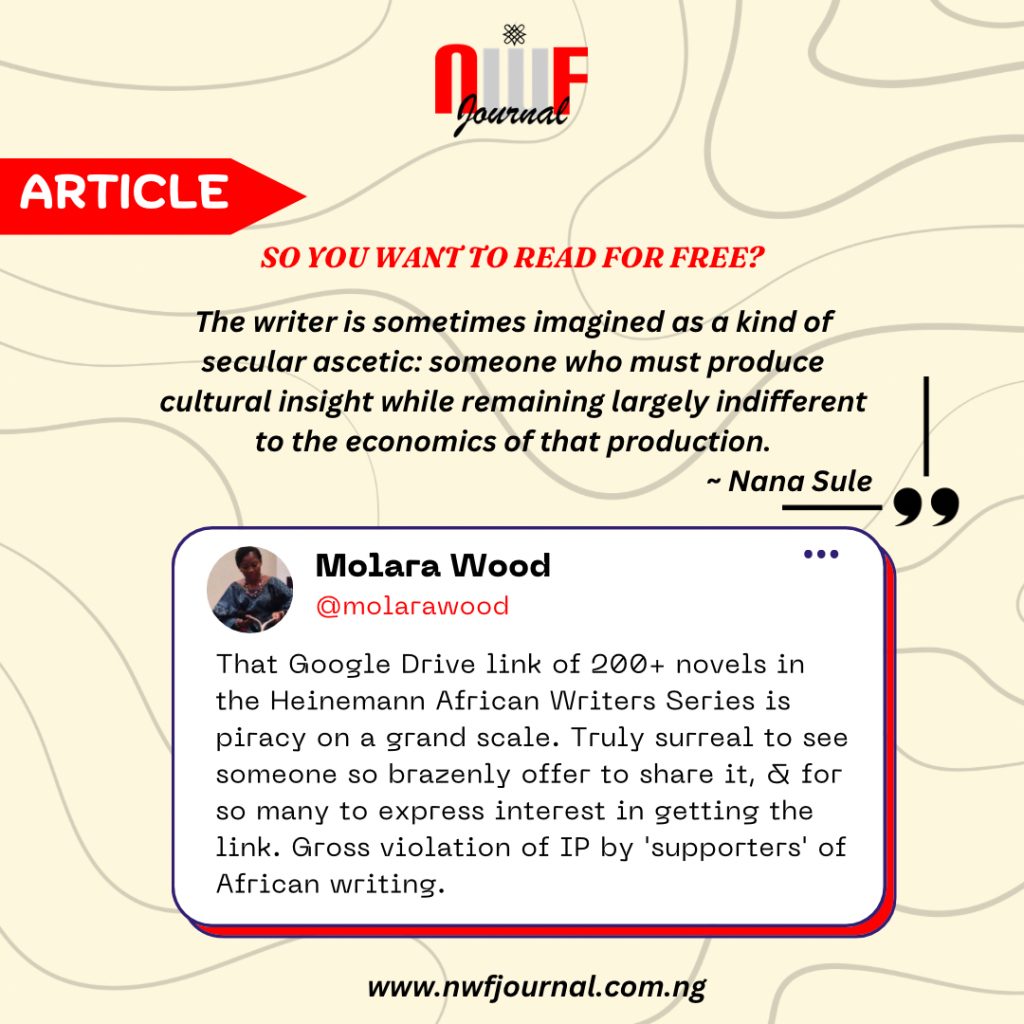
So You Want to Read for Free?
Mar 22, 2026

Literary journal of the Northern Writers Forum.






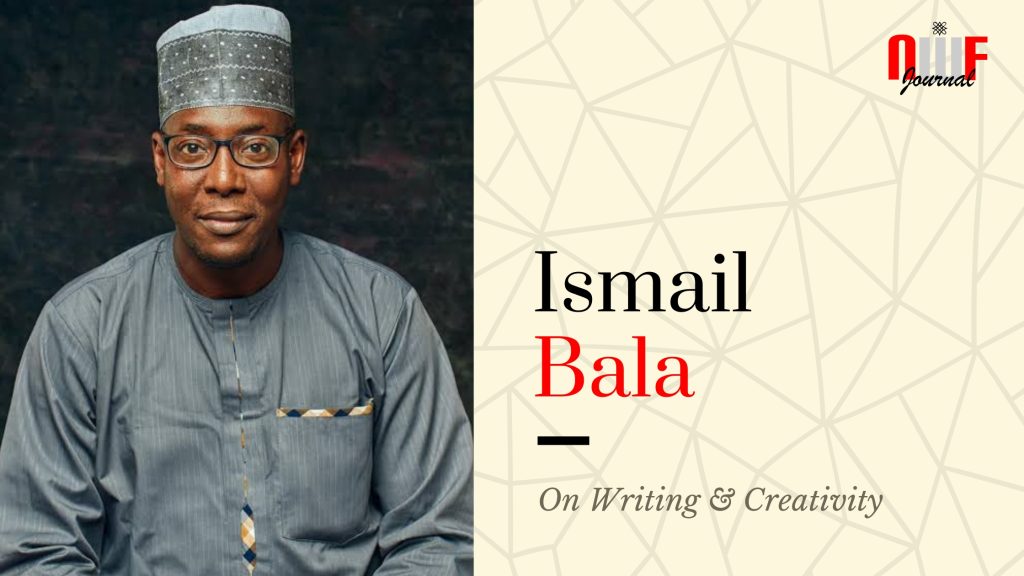
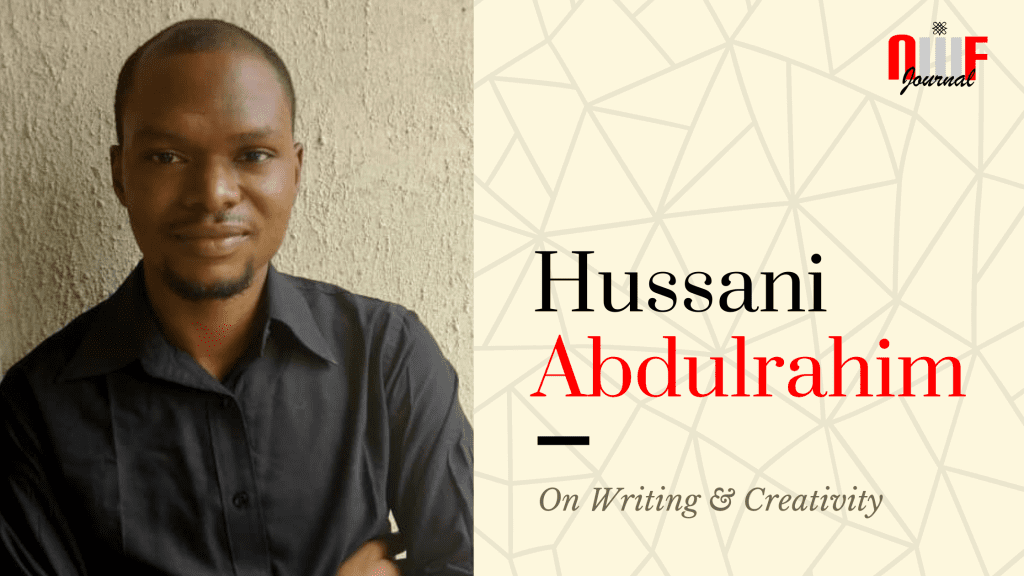
What is your earliest memory of poetry, and how did it first speak to you?
Anyone who has the kind of upbringing I had would be “surrounded” by poetry, so to speak. I was raised by my paternal granny within the walled city of Kano. Poetry is everywhere: on the playground, on the radio and later in school and in books. Poetry came to me when I followed the whims of my classmate and enrolled in science class at the senior secondary school rather than literature class, where I belonged. I soon realized my monumental error of judgment when I could not relate to what was being dished out in class. I became miserably lonely and could not switch to another class. I started writing doggerel at the same time as a friend gifted anthology of African poetry edited by Wole Soyinka. Since then, poetry and I have come a long way.
I needed words not just to shape or keep but to go on living.
When did words first become more than just language for you? When did they start feeling like something you needed to shape, keep, and share?
Even though my granny didn’t go to school, she was instrumental in my love of reading, asking my father to buy books for me and letting me go to the nearby public library. That was primary school days, and that was when words took on a special place in my meaning-making world. Though I didn’t write anything beyond school stuff, since then, I knew I had to do something beyond merely reading. I was at ease and much more at peace with the fictional world I daily came into contact with via books. From then onwards, I needed words not just to shape or keep but to go on living.
Your work carries echoes of American poetry; does that come from your exposure to their literature, your time living there, or is there an American alter ego quietly writing through you?
Not really. The anxiety of influence (if indeed this is its iteration) is not as simple or easy as that. I will admit that what I studied, taught (for two decades) and wrote about it scholarly rubbed on me ultimately. But I never set out to write or sound like any person (American or not). Early in my poetic endeavor, I literally imbibed Toni Morrison’s admonishment for one write the kind of writing one loves but is unable to either find or enjoy what is available to him. If it were photography you were talking about, I’d say my doppelganger always comes out of my horrible pictures.
When a poem begins to form, is it usually stirred by a lingering memory, a stray image, or something more primal you can’t quite name?
I have experienced all three scenarios over time. Most of the time, it’s a thought, an image, a word or an experience (real or imagined) triggered by memory that leads to a poem. Increasingly, I write more often after reading and enjoying other poets’ work, in which case poetry itself is the instigator of poetry. Poem par poem.
as Prof. Abdalla Uba Adamu famously said, “whoever is tired of Kano is indeed tired of life”
How has growing up and working in Kano shaped your poetic voice and themes?
Except for a few years spent abroad studying, I have lived all my life here in Kano. Even though my poetry may feel and sound “unconventional” or a tad foreign (from what I heard about my work), it is my lived experience sustained by the wonderful city of Kano that primarily informs and imbues all my writing life. My poetic voice is borrowed from the cacophony of voices here in Kano. The aural richness of the city is the best poetry ever. There is no place like Kano and as Prof. Abdalla Uba Adamu famously said, “whoever is tired of Kano is indeed tired of life”.
How does your thought process change when translating poetry between English and Hausa with such an impressive ease?
It’s a delicate balancing act for me as it is for bilingual poetry translators across the poetic spectrum. You have to counter one poetic and thought process with an entirely different one. So you have not just master the original language and poetics of the original language but also the second language. For Hausa, the process is hazardous linguistically speaking since the poetic field is not only at par with English but diametrically so.
If you catch your thought voice off-guard, what language does it mostly speak?
English. I’m ashamed to admit it, though.
Between the three collections, which one holds the most personal weight for you and which one gave you the most trouble?
My debut: Line of Sight. The difficult one to write is Ivory Night because of its deliberate structure and intention of capturing the dynamics of a failing relationship of a couple deeply in love once, but now becoming strangers in realistic voices.
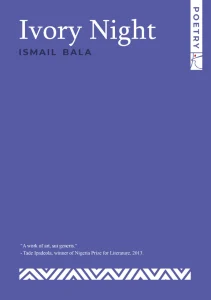
How did you manage to write Ivory Night, a collection so bold and intimate, while living in a place as conservative as Kano?
Because it is poetry. If it were a different genre or a flick, it would probably be different and even more difficult to write and make public. But with poetry, you could get away with murder. Besides, Kano isn’t the conservative dinosaur it’s often assumed to be.
If someone new were to stumble upon your work and could only read one collection first, which would you hand them—and why?
Line of Sight, because it took longer, being a debut and isn’t restricted by its own structure or design like the subsequent collections

How do you see contemporary Northern Nigerian poetry evolving in the next decade?
Era-defining. Some of the best poetry in Nigeria is currently being written here. Of course, the poets have a long way to go in terms of publication, networking and exposure.
What’s the one question about your work you wish people would stop asking—and the one they’ve never asked but should?
That my poetry sounds American. It does not. The one question I wish I were asked often is my failed attempt to write an ekphrasis poem where the picture which informs the poem is obvious without being mentioned directly.