

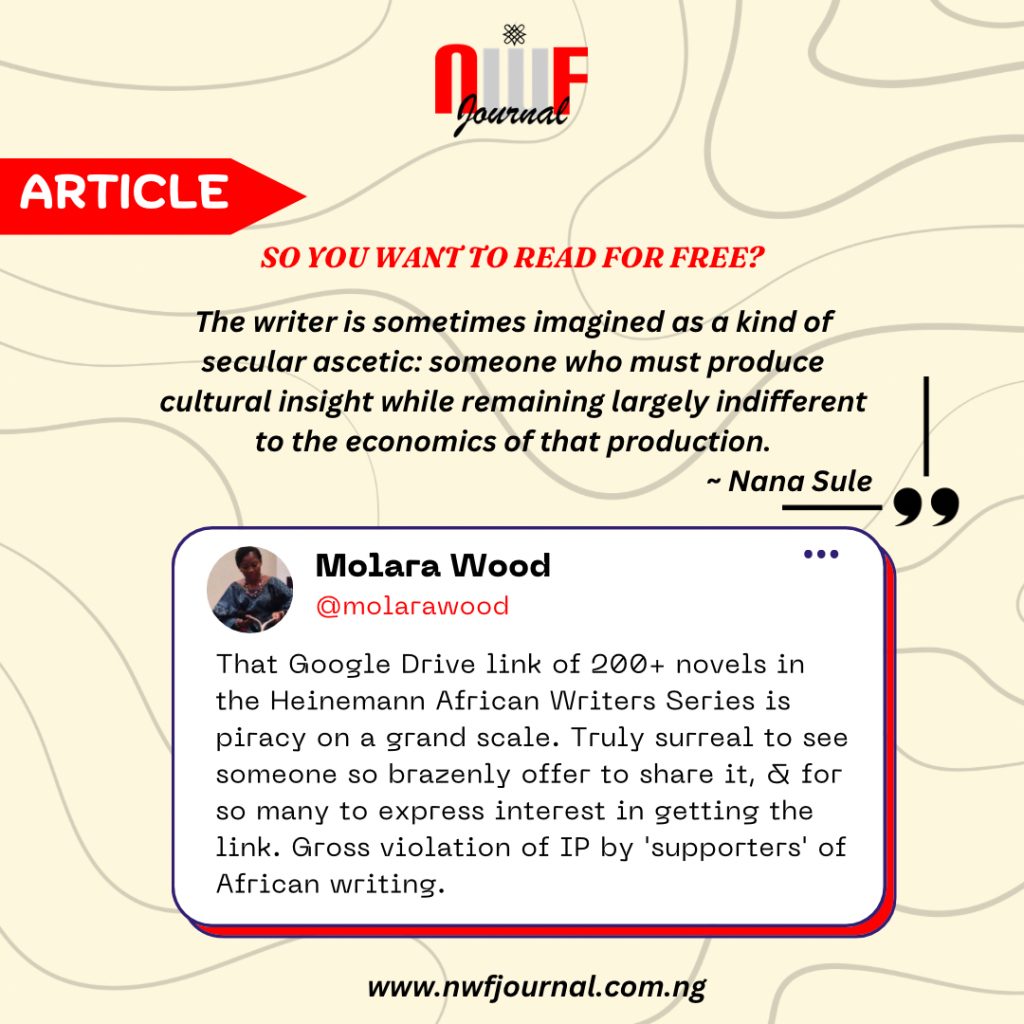
So You Want to Read for Free?
Mar 22, 2026

Literary journal of the Northern Writers Forum.




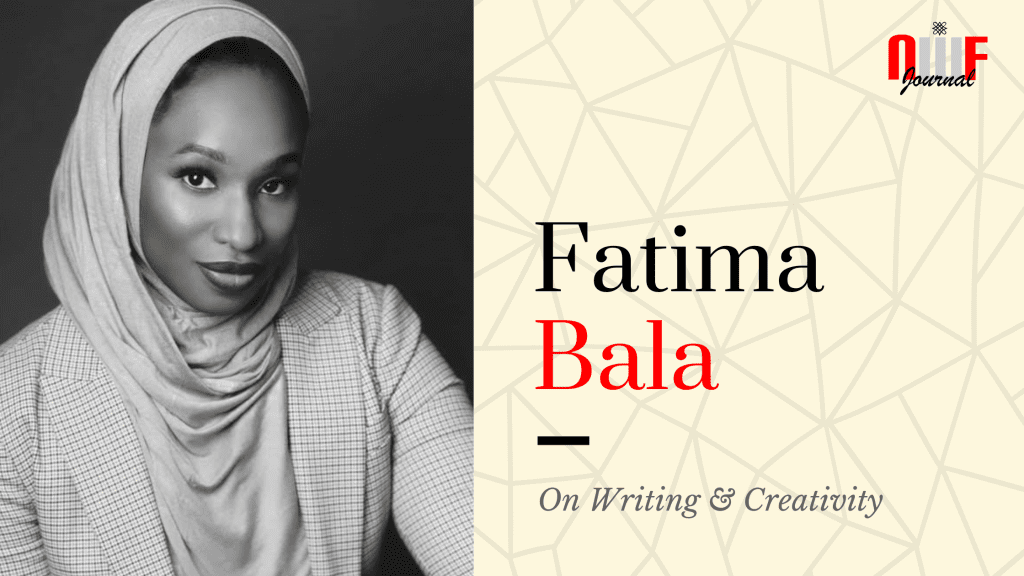
Fatima Bala is a lecturer, poet and writer whose work interrogates identity, tradition, and silence within Northern society. She is the author of Broken, Not A Halal Love Story and Hafsatu Bebi, with her writing appearing in both local and international platforms. A fierce believer in storytelling as cultural reclamation, Fatima is known for her unflinching narratives and emotionally intelligent prose. Her stories aren’t just fiction—they are mirrors, sometimes cracked, sometimes whole, always deeply human. Between fiction and fire, Fatima Bala builds altars of honesty—and every word she writes feels like a reckoning long overdue.
You’re welcome, Fatima. It’s an honor to do this with you. In your previous interviews, you have talked before about how reading shaped you, but I want to know the exact moment that made the page shift. What was the very first thing you wrote that made something shift inside you, that felt like more than just child’s play?
Thank you so much Safiyya. It’s such a pleasure to do this with you. It’s honestly very hard to pinpoint an actual moment, I’ve always written down my thoughts and imaginations, and looking back now, it is hard to actually say when that shift happened and maybe that’s because it was a series of small shifts here and there, as opposed to one big one.
Before Broken, there was Before The Origin—a work of speculative fiction that didn’t quite resound the way one might expect. What happened with that story—how did it come to you, and what do you think influenced its quieter reception?
I learnt a lot about writing and publishing from Before The Origin and if I had to re-do it, I’ll do a few things differently. It’s a story that I hold very dear, because it’s about a parallel earth and in speculative fiction, that’s my favourite thing to read. I have always said I’ll revisit that story in the future and give it the time it deserves because I honestly rushed it – I just wanted to publish it at that time when I should have let it sit and expand like with my subsequent works.
Do you think there’s something specifically Northern—and perhaps specifically feminine—about being ‘broken’ and still being told to smile, to pray, to endure? How did that inform your depiction of resilience in the story Broken?
Probably, and probably not. Who are we to hold an entire demographic to one yardstick? Yet we can’t deny that ‘smile, pray and endure’ isn’t something we aren’t told. In the context of Broken, that had to do more with her characterization, resilience shows up in different ways and it’s not always as graceful. It can be messy and ugly and that’s okay too.

There’s already been more than enough talk about Broken, and somehow, it never gets tiring. How do you honestly feel about the noise it made? Was there ever a moment where you felt completely overwhelmed, maybe even lost in all the applause?
I’ve always been very grateful for the talk around and about it, and even more so, for the privilege to be able to disconnect from it all, so no, it never gets overwhelming.
Hafsatu Bebi is already treading the same buzzing path as Broken. With all the noise it’s making, are you nervous it won’t be as loudly celebrated, or do you trust each story to speak on its own terms?
I trust that both stories have their tribes, their intended audience and enough substance to hold their own.
Hafsatu Bebi explores the many faces of love, many of which feel like silent luxuries in Northern society. What compelled you to write such a tender, layered portrait of love, and what do you think our society loses when we don’t name or nurture these affections?
I’ve always said that I write the stories that I want to read, so I’m glad you think this way. Clearly a lot of people want to read tender and layered stories. As for what society loses when we don’t name or nurture these affections? A lot. When these quieter devotions don’t get shared in mainstream spaces, it’s easy to forget- or to assume that it’s all loud and over the top gestures.
What does literary success mean to you? What is the thing that makes you feel like you’ve truly done what you came here to do with your writing?
Literary success to me is all of this, the questions like yours, that show that people connected to the stories or characters in one way or another and the honest conversations that follow.
When you look at how northern Nigerian books are portrayed globally, what frustrates you most about the narrative that’s often sold? What is missing or misrepresented in that portrayal? What’s the one thing that can shift the perception?
It’s not enough to be frustrated at whatever portrayal we have, we have to write our stories, no one is going to write our complexities better than us, that’s one way the misrepresentations or missing parts can be told.
There’s a constant struggle to preserve cultural identity while adapting to global influences. In your own work, how do you maintain a balance between being rooted in your northern Nigerian heritage while engaging with a more globalized, contemporary art world?
Finding and maintaining that balance has been my life for a long time now, and it is present in how I show up everyday. I am more than one thing at any point in time and it shows in my creative expression. I think it also comes with intentionality. To live your authentic truth, and allow yourself to fill the spaces you were meant to fill.
In a region often dominated by conservative views, how do you navigate the tension between being an artist and pushing boundaries? Are there specific themes you’ve wanted to explore but haven’t due to societal or cultural restrictions?
Broken talks about premarital relations, Hafsatu Bebi shows how a Muslim can fall into using charms and visiting shamans and the stories work only because the readers know that these happen all around us, everyday. I think even as a conservative society, we are moving past the hush hush culture and so themes that were taboo topics years ago aren’t so anymore. My stories will always have something I feel isn’t talked about enough, it’s not about the themes, it’s more about how the themes are handled and presented to the reader. How it portrays the north and why these restrictions exist.
As you push boundaries with your work, there’s inevitably backlash. How do you handle the criticism that comes with it?
I welcome it all. It’s all feedback to me. When there’s an opportunity to do better, I take it as a learning opportunity.
This has been a wonderful opportunity. Thank you for your time and for such a thoughtful, generous interview. Thank you for sharing the weight and wonder behind your stories. Talking with you felt like tracing the seams of a carefully stitched fabric—every answer revealing a little more of the heart beneath the page. May your pen never tire, and may your stories continue to ripple far beyond the places they began.